Music engineering (also called audio engineering) is the process of recording, editing, mixing, and/or mastering music, focusing primarily on the technical aspects of these processes.
Music Career Finder
Start Here:
Music Engineering: How To Start and How Much You Can Make
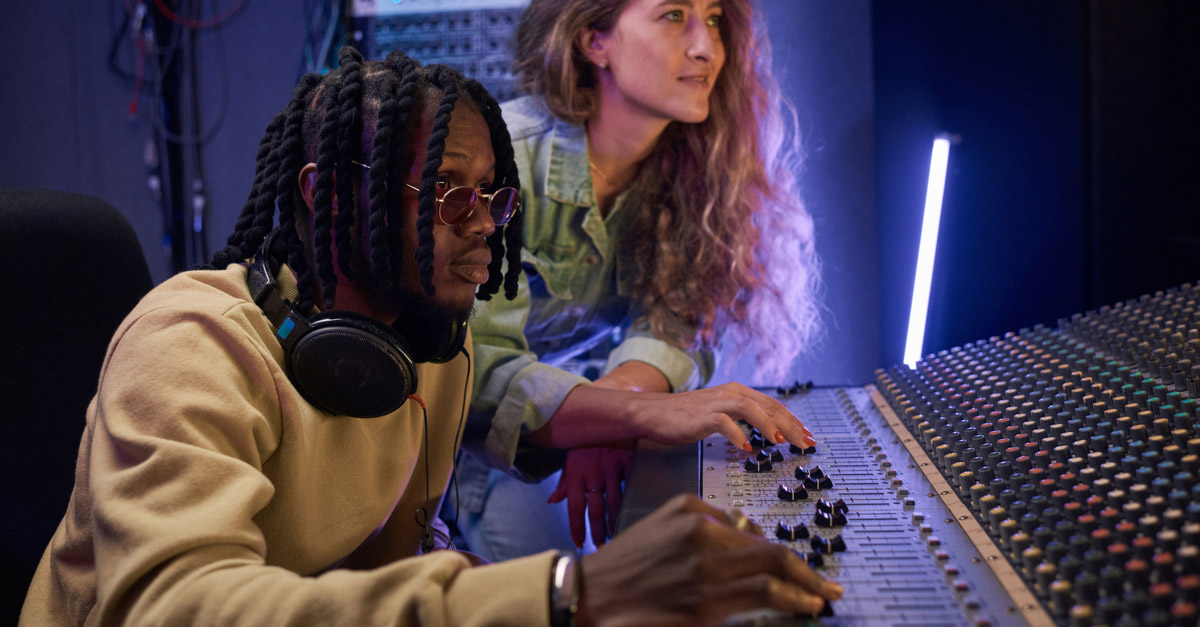
- Music engineering can involve recording, editing, mixing, and mastering music
- Music engineering is also called “audio engineering” and music engineers are also called “audio engineers”
- Some of the main skills you’ll need include proficiency in your DAW, mic placement, audio editing/mixing, and understanding of room acoustics
- The main types of careers you can have in music engineering are a recording studio engineer, mixing engineer, mastering engineer, and live sound engineer
- The average salary for a music engineer is about $74,100 per year, or around $35 per hour
- Introduction
- What Is Music Engineering?
- Skills a Music Engineer Needs
- What Careers Can You Have as a Music Engineer?
- Recording Studio Engineer
- Mixing Engineer
- Mastering Engineer
- Live Sound Engineer
- Getting Started in Music Engineering: The Stuff People Don’t Tell You
- You don’t need a fancy studio to start
- How to get your first real projects
- People skills matter more than you think
- Common beginner myths (and what to do instead)
- Trends to watch in music engineering right now
- Music Engineer Salary
- Best Music Engineering College Programs
- Berklee College of Music
- Full Sail University
- Los Angeles Recording School
- Middle Tennessee State University
- New York University
- References
If you want to help artists record their songs to be released, you might like being a music engineer.
Music engineering is a behind-the-scenes job, but one that is incredibly important.
It’s highly technical, but also not hard to learn, and those who are good at what they do are always in demand.
What Is Music Engineering?
Skills a Music Engineer Needs
To thrive as a music engineer (also called an audio engineer), you need both technical expertise and creative insight.
The key skills you should develop include:
- Proficiency in your chosen DAW
- Knowledge of microphone types and placement techniques
- Understanding of sound and room acoustics
- Audio editing, mixing, and mastering skills
- Critical listening and a “good ear” for music
- Strong communication and interpersonal abilities
- Equipment troubleshooting and repair knowledge
- Basic musical understanding (optional)
- Sound design skills (optional)
Hey, what do you think about trying our new Music Career HelperMusic Career Helper really quick? It’s totally free and could help get your career moving fast! Give it a try. It’s totally free and you have nothing to lose.
What Careers Can You Have as a Music Engineer?
If you want a career as a music engineer, there are many music-related fields you can explore. Some of the most common paths include…
Recording Studio Engineer
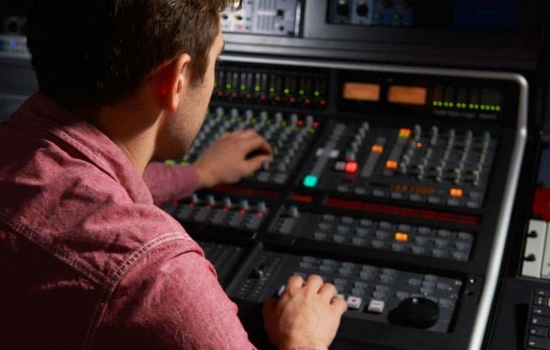
In a recording studio, the music engineer (or their assistant) sets up the recording space, ensures all necessary cables are connected, positions microphones, manages recording levels, and edits and mixes the music to achieve a professional sound.
They typically work from the soundboard in the studio’s control room.
This role often involves assisting artists and bands in recording their music, as well as recording and editing audiobooks and podcasts.
Mixing Engineer
A mixing engineer specializes in blending the elements of a recording to create a polished final product.
This process occurs after recording is completed and involves adjusting volume levels, panning audio elements, and applying effects to enhance the sound.
You can work in a professional studio or from your home studio.
Mastering Engineer
A mastering engineer takes a mixed recording and prepares it for commercial release.
This includes increasing the audio’s volume, applying final effects to enhance the sound, and ensuring the music plays well on all types of playback systems.
Live Sound Engineer
Music engineers working in live performance settings are responsible for running sound checks before events to ensure the music sounds balanced throughout the venue.
They also adjust the sound in real-time during the event to maintain audio clarity for the audience. Additionally, they may record live performances for later distribution.
This work is typically done from a soundboard located at the back of the venue.
Getting Started in Music Engineering: The Stuff People Don’t Tell You
If you’re searching “music engineering,” you probably want reminders of what the job is, plus the real path to getting good, getting work, and not wasting money. So here it is: music engineering is a craft, but it’s also a people job. If you love sound, problem-solving, and being the calm one when everyone else is spiraling, you’re in the right place.
The part nobody says out loud is that it’s competitive. Not because you’re “not good enough,” but because so many people want to do it. That’s why your best advantage early on is simple: actually finish projects, get feedback, improve, repeat. Most people quit halfway through the boring part.
You don’t need a fancy studio to start
You can learn music engineering on a laptop and a basic interface. The goal early is not “perfect,” it’s “better than last time.” Record anything you can: your own songs, friends, local artists, podcasts, live sessions, whatever. Your ear develops from reps, not from reading about compressors.
If you’ve got limited money, spend it on the stuff that improves your decisions: monitoring, room basics, and a reliable chain you understand. Expensive gear doesn’t fix confused ears. A simple setup you know deeply beats a complicated setup you barely control.
How to get your first real projects
Waiting for permission is the slow path. The fast path is to build a tiny portfolio that proves you can deliver. Offer to record or mix for friends, or for artists you meet at shows. Keep the deal simple: you’ll do a clean, professional job, and they’ll let you share the work when it’s out.
“Try to find a way to get in the room. Find a mentor. And if you can’t, start engineering at home. Record your friends for free and learn fast. Go to shows and meet artists your age and build together.” – Chris Tabron, producer and engineer
One more opinion: don’t obsess over a “perfect” niche on day one. Take projects that teach you something. The niche usually finds you after you’ve done enough work to notice patterns in what you’re best at.
People skills matter more than you think
Music engineering is not just settings and plugins. You’re managing vibes, confidence, and momentum. Artists remember how you made them feel. If you’re the person who keeps things moving and stays respectful, you’ll get called again.
“Don’t have an ego. This is a customer service job. It’s not about you, it’s about the artist. Be kind, be prepared, and protect their art.” – Gena Johnson, recording and mix engineer
There’s a term you’ll hear in studios: “hang.” It means people can stand being around you for long sessions. If you’re talented and easy to work with, you’re dangerous in the best way.
Common beginner myths (and what to do instead)
- You need expensive equipment to sound professional.
- An audio school diploma automatically turns into paid work.
- Being “right” matters more than being helpful in a session.
- Mixing is the job, so networking and communication don’t matter.
Instead, build repeatable habits: label your tracks, gain stage cleanly, deliver mixes on time, and ask for real feedback. That boring professionalism is what separates hobbyists from working engineers.
Trends to watch in music engineering right now
Immersive audio is becoming more normal, not just a weird bonus format. Spatial mixes can be a real advantage if you learn the basics early. You don’t have to become an expert overnight, but you should at least understand what it is and why artists and labels care.
AI tools are also everywhere, especially for cleanup, leveling, and fast starting points. Use them like power tools, not like a brain transplant. The “engineer” part of music engineering is still your taste, your decisions, and your ability to get a great performance into a great record.
If you want a practical walkthrough on starting out and building real skills, this is a solid watch:
Music Engineer Salary
The average salary for a music engineer in the United States is approximately $74,100 per year, or around $35 per hour1.
Your income can vary significantly based on factors such as experience, location, workplace, and professional connections.
Best Music Engineering College Programs
For those who want to get into the exciting and rewarding field of music engineering, there are more schools and individual courses of study than ever before, and each option offers both benefits and drawbacks.
Here are some of the top music engineering college programs…
Berklee College of Music
Whatever job you want to eventually land in the music industry, Berklee College of Music has something for you.
The Boston, MA standard is perhaps the most prestigious name in musical education, and those who come out of the institution have done everything from playing in symphonies to managing Pop Stars and so much more.
Like many other options, Berklee offers a bachelor’s degree that’s a mix of production and engineering, as it’s good to understand both.
For those who want to continue to learn, they may opt to earn a Master of Music in Music Production, Technology, and Innovation.
Full Sail University
Full Sail University is also known the world over as a respected institution that churns out many professionals in the music industry.
The Winter Park, Florida-based school offers bachelor’s degrees in fields of study that may interest prospective Engineers such as Audio Production, Show Production, and Music Production.
For those not sure they want to commit right away, a certificate in Audio Arts might be a good start.
Los Angeles Recording School
The Los Angeles Recording School has a lot going for it, including the ability for students to either learn online or in-person.
While there may be a temptation to only stick to internet-based degrees, as they’re easier for many, being in L.A. is a great opportunity for those who want to engineer not just recording sessions in studios, but also other kinds of content.
Music engineers are often needed on film and TV sets, and being located in the heart of Hollywood is fantastic for those who want to work in that part of the industry.
Middle Tennessee State University
Yes, Murfreesboro, TN has a school you should pay attention to if you’re thinking of one day becoming an Audio Engineer.
Middle Tennessee State University offers a fantastic Audio Production bachelor’s, and with its proximity to Nashville, the heart of country, it’s a great place to begin a career in the music industry.
New York University
No matter the creative field someone might want to get into — music, film, TV, theater, art, or even fashion — New York City is the best place to be.
The schools are great, but beyond that, the metropolis offers more opportunities in the way of jobs, networking, experiences, and internships than almost any other place in the world.
The world-renowned Clive Davis Institute of Recorded Music has several must-attend engineering-only courses, while NYU Steinhardt has a bachelor’s degree in Music Technology as well as a master’s (also available as a dual bachelor’s and master’s) and a doctorate in the same field.


References
- 1. "27-4014 Sound Engineering Technicians". U.S. Bureau of Labor Statistics. published: May 2023. retrieved on: Dec 5, 2024