Music Career Finder
Start Here:
Percussionist
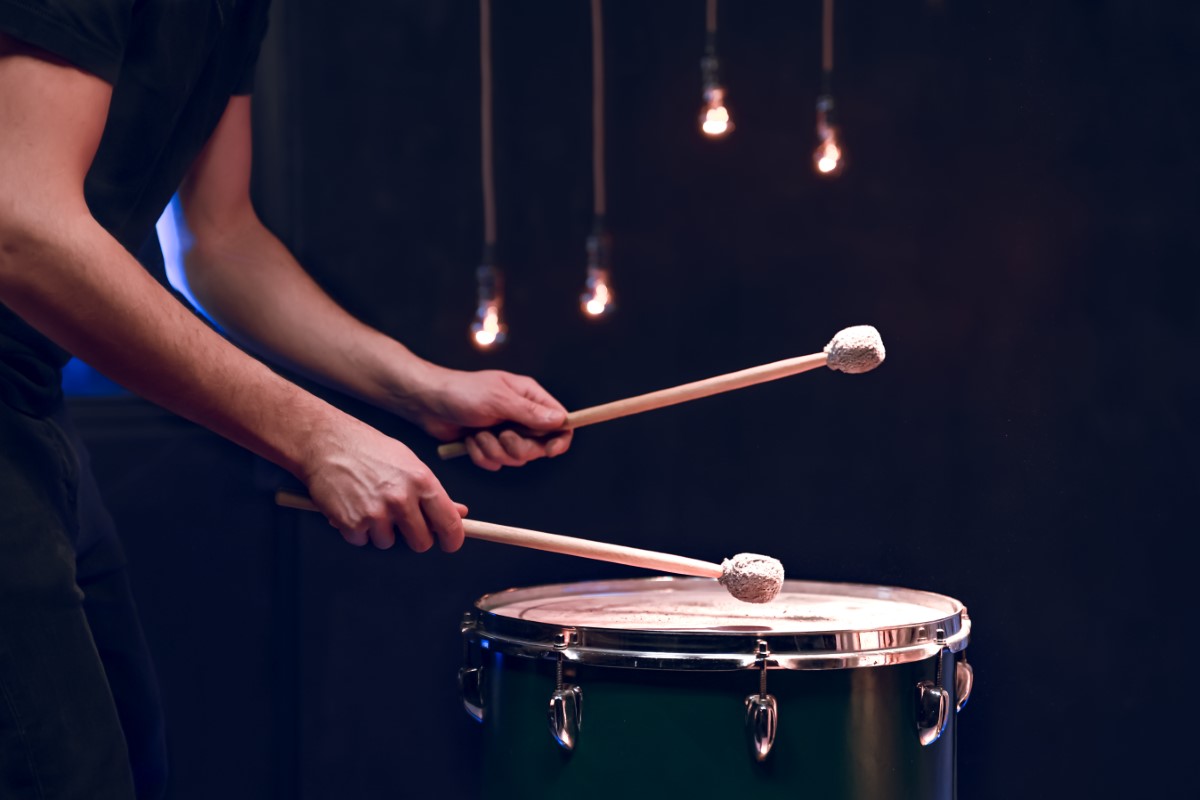
How To Become a Percussionist
- A percussionist plays multiple different percussive instruments, like the drums, tambourine, marimba, cymbal
- Percussionists need to know how to play every type of percussion instrument, which includes dozens of instruments
- Percussionists usually work evenings and weekends when performances happen
- On top of being a performing percussionist, your career can involve recording session work and teaching percussion
- The average income for a performing percussionist is $52,924 per year but can range from about $24,000 to $112,000 per year
- Career Description
- Salary
- Career Outlook
- Career Path
- Experience & Skills
- Education & Training
- How to Get Started
- References
Career Description
A percussionist is a musician who plays multiple different percussive instruments, which is any instrument that can be struck, shaken, or scraped.
This includes drums, tambourines, marimbas, cymbals, and many others (full list below).
What Does a Percussionist Do?
Percussionists perform in various musical genres, from classical to jazz to rock to world music. They provide the rhythm and often add melodic elements to a piece of music.
Here are the main things a percussionist does:
- Practice regularly
- Compose or arrange music for percussion parts
- Rehearse with other musicians
- Perform in concerts, bands, or orchestras
- Teach percussion to students
- Maintain instruments
- Record music in recording studios for albums or soundtracks
- Explore different genres of music and percussion techniques
A Day In the Life of a Percussionist
Your day will look different depending on the current gig you have, but most percussionists find work in an orchestra or ensemble.
So here are the typical things a percussionist does on a given day:
- Learning new music
- Setting up and tuning percussionist instruments
- Practicing and arranging their parts
- Going to rehearsals
- Performing
- Tearing down and storing equipment
Salary
The average income for a performing percussionist is $52,924 per year, but it can range from about $24,000 to $112,0002.
Percussionist Jeremy Bender, citing the American Federation of Musicians’ wage charts, said you can earn $1,000-3,000 per week, depending on the size of the orchestra3.
Here are some numbers he showed as examples:
- The Buffalo Philharmonic: $1,188 per week
- The Columbus Symphony: $1,585 per week (works for 27 weeks of the year, an annual salary of $42,795)
- The San Diego Symphony: $1,667 per week (works for 42 weeks of the year, an annual salary of $72,141)
- The Los Angeles Philharmonic: $3,048 per week
Percussionists can also work as session musicians, recording parts for soundtracks and albums. In these cases, they’re paid hourly or per project and negotiate their own rates.
On top of this, you can also teach percussion once you become proficient enough. You set your own rates, but typically they can be $20-60 an hour.
Hey, what do you think about trying our new Music Career HelperMusic Career Helper really quick? It’s totally free and could help get your career moving fast! Give it a try. It’s totally free and you have nothing to lose.

Career Outlook
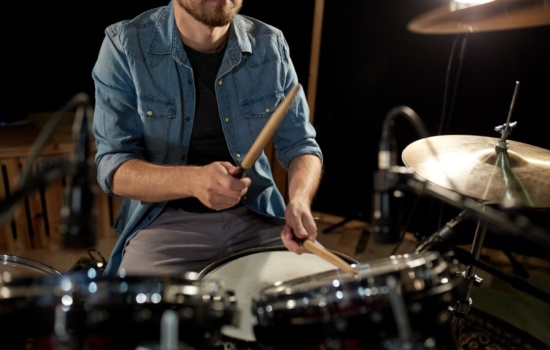
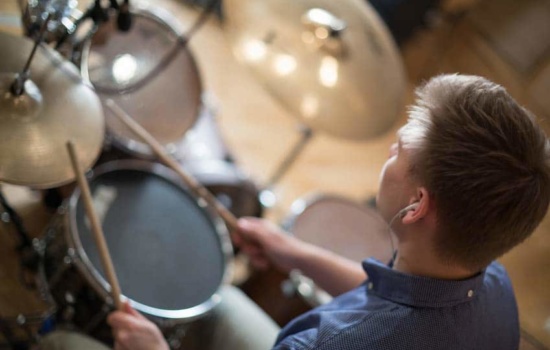
The career outlook for percussionists is promising, with diverse opportunities available across various musical realms. Orchestras and ensembles need a rhythm section, so percussionists are in demand.
They usually find employment in symphony orchestras. But the increasing fusion of musical genres has opened doors for percussionists in jazz, world music, and contemporary pop too.
Because of this, percussionists usually work in the evenings and on weekends when performances typically happen.
They also have plenty of opportunities to be session musicians, recording percussion on soundtracks and artists’ albums.
And then there’s always the option to teach percussion, whether privately or in a school setting.
You may want to combine these various aspects into a career tailor-made for the lifestyle you want and your personality.
Career Path
There’s not one way to become a career percussionist, but here are some ways to get started…
Performing Percussionist
Performing percussionists usually work for an orchestra or ensemble. You’ll most likely need a music degree or some sort of formal education as that is something the orchestra will look at to qualify or disqualify you as a potential hire.
Session Musician
Session work is when you go into a recording studio to play percussion on a track, whether for a soundtrack or an artist’s song. You can get into this line of work without any degree. As long as you’re a great percussionist, know how to read sheet music, and meet the right people, you can get gigs as a session percussionist.
Percussion Teacher
You won’t need a music degree to teach percussion, but it can definitely help you get students if you’re teaching privately. If you give lessons at a school or music shop, they most likely will want to see that you had a formal music education.
Experience & Skills
You have to know “the full range of orchestral percussion instruments…to an extremely high standard,” according to renowned percussionist Sacha Johnson.
What Instruments Does a Percussionist Play?
The instruments you need to know how to play as a percussionist include:
- Snare drum
- Timpani
- Marimba
- Tambourine
- Triangle
- Cymbals
- Bass drum
- Congos
- Bongos
- Xylophone
- Drum kit
- Maracas
- Cowbell
- And many more…
“The range of percussion instruments is so huge that it is almost impossible to be proficient on all of them,” Johnson said. “In the last 12 months, I’ve had to play the Bodhran (Irish folk drum), the spoons, and the steel drums.”
Here are some of the main skills you’ll need as a percussionist…
Rhythm
You can’t get past this one. You need to have rhythm if you want to be a percussionist. If your rhythm is not good, taking percussion lessons can greatly help.
Hand-Eye Coordination
Mastery of hand-eye coordination is essential. Percussionists often navigate complex patterns and rhythms across various surfaces and materials.
The skilled percussionist is not only adept at producing precise and dynamic sounds but also possesses a keen sense of timing and dynamics, crucial for maintaining the rhythm of a musical piece.
Versatility
As you can tell from the list of instruments above, you can see that percussionists must excel in versatility, seamlessly transitioning between different percussion instruments and styles of play.
Reading Sheet Music
You must be able to read sheet music and understand how to follow a conductor’s direction. Whether you’re performing on stage or recording in a studio, you will need to follow music notation.
Education & Training
Here are the ways you can get the education you need to become a career percussionist…
Take Percussion Lessons
Percussionists typically begin their musical journey at a young age, sometimes initiating their training with private lessons. These early experiences focus on developing fundamental playing techniques and hand-eye coordination.
Regardless of age or experience, lessons can help you improve much faster than learning on your own.
Percussionist Degree
If you want to pursue a professional career as a percussionist, higher education is a good pathway to take. Attending a conservatory, college, or university with a music program offers comprehensive training, covering music theory, history, and practical skills specific to percussion.
The degree you should get is a Bachelor of Music in Performance with an emphasis on percussion. Through this degree, you’ll also learn how to read music, the basics of music theory, and how to perform to the best of your ability.
Music Camps and Competitions
Many percussionists get extra education and enrichment through summer programs, music camps, and percussion competitions. These endeavors help refine their skills and expose them to a broader musical landscape.


How to Get Started
- Start hitting things (musically, of course). Everyone has to begin somewhere, so grab a practice pad or a basic drum and get comfortable making some noise. If you’re in school, join the percussion section of the band or orchestra. Starting simple (even just a snare drum or hand drum) helps you build coordination and rhythm without getting overwhelmed. The key is to jump in and start drumming – you’ll refine your technique as you go.
- Find a mentor and learn the basics early. Taking percussion lessons from a good Teacher or joining a beginner class will jump-start your skills. A Teacher will show you proper stick grip, posture, and fundamental techniques that are hard to pick up on your own. You’ll also start learning to read basic drum notation and rhythms. Even the best drummers had mentors – a great percussion instructor will keep you on track and help you avoid bad habits from day one.
- Practice daily (and make the metronome your BFF). Becoming a percussionist means developing rock-solid timing and technique, which only comes from regular practice. Aim to drum every day, even if it’s just 15-20 minutes on a practice pad. Work on rudiments (those basic drum patterns) and try playing along with a metronome to train your internal clock. It might not be flashy, but mastering the “boring” stuff like single strokes and paradiddles now will make you a rhythm powerhouse later.
- Try all the percussion goodies (yes, even cowbell). Don’t limit yourself to one instrument – exploring different percussion instruments and musical styles will make you a well-rounded percussionist. Experiment with everything from drum set and hand percussion (like congas or cajón) to mallet instruments (xylophone or marimba) if you have access. Each new instrument teaches you something new about rhythm and sound. Plus, you never know which skills will come in handy for future gigs, so embrace the entire percussion family!
“Expose yourself to as many styles of music as possible. You will have a greater understanding of music, technique, and where your percussion instruments originally came from.” — Lucy Landymore, award-winning multi-percussionist - Jam with others every chance you get. Playing solo is fun, but the real magic (and learning) happens when you make music with other people. Join your school band, form a garage band with friends, or participate in community ensembles – anything that gets you playing in a group. You’ll learn how to lock in with other musicians, listen, and keep steady tempo under pressure. Jamming regularly also builds confidence and teaches you to adapt, whether you’re playing a mellow acoustic set or rocking out with a loud band.
“Learn to play with other people outside your instrument. To me, that’s where the real music happens: when you work with other people to create something bigger than yourself.” — Lior Shragg, percussionist & educator - Invest in your own drum kit and gear. As you get serious, start assembling the tools of the trade. If you’re aiming to play in bands, a decent starter drum kit (with cymbals and hardware) is a must for local gigs. For other percussion styles, you might begin collecting things like a djembe, cajón, or a set of concert snare drums and mallets – whatever suits your interests. Don’t feel like you need top-of-the-line gear right away; begin with affordable, reliable instruments and upgrade as you start playing paid gigs. Owning your equipment means you can practice anytime and be ready to perform at a moment’s notice.
- Network and get involved in the music scene. Building a career in percussion isn’t just about playing – it’s also about meeting people. Connect with fellow musicians at school, local jam nights, or online forums (there are great drumming communities on Reddit and Discord). Let people know you’re a percussionist looking for opportunities. You can post short drumming videos on Instagram or YouTube to showcase your skills (think of it as your online musical résumé). The more musicians and band leaders who know you, the more likely you’ll hear “Hey, we need a percussionist for this gig,” down the line.
- Play live whenever you can (start small). Seek out opportunities to perform, even if they’re unpaid or low-key at first. Play at school talent shows, open mic nights, church groups, or community theater productions – anything that gets you on stage. Each performance teaches you how to handle nerves, interact with an audience, and adapt to real-world playing conditions (like bad sound systems or last-minute song changes!). As you gain experience and word gets around that you can hold your own live, you’ll start getting invites for better, paying gigs. Every drummer or percussionist starts somewhere, and those humble gigs build the foundation for bigger shows.
- Be on time, prepared, and easy to work with. Talent on the drums is important, but your attitude can make or break your budding career. Always show up to rehearsals and gigs on time (or early) and know your parts – it shows respect for everyone’s time. Bring a positive vibe to the band: listen to feedback, don’t ego-trip, and help others out when you can. Musicians talk, and if you’re known as someone who’s reliable and fun to play with, you’ll get more gig calls. Remember, a great percussionist is also a great teammate.
“Just be nice! Support your fellow musicians. Don’t stress people out by being late or chaotic. Be happy to just be there!” — Christina Lopez, session drummer & touring musician - Keep learning and consider music school. The journey doesn’t end once you land a few local gigs – the best percussionists never stop learning. Continue to challenge yourself with new techniques, genres, and instruments. If you’re serious about a professional career (especially in classical percussion or if you want to teach), think about pursuing a music degree or attending a percussion program after high school. Music school or college percussion programs can massively improve your skills, connect you with experienced mentors, and open doors to auditions and gigs you might not find otherwise. Even if you don’t go the formal education route, stay curious: attend workshops, take masterclasses, and always be a student of your craft. This way, you’ll keep leveling up and staying competitive in the music scene.
References
- 1. " Martin Grubinger presents the upbeat world of percussion instruments | Musica Maestra ". DW Classical Music. published: Dec 8, 2019. retrieved on: Oct 30, 2024
- 2. "What is a percussionist and how to become one". Zippia. published: June 25, 2024. retrieved on: Oct 30, 2024
- 3Jeremy Bender. "Pro percussionist's pay". Drummerworld.com. published: March 7, 2022. retrieved on: Oct 30, 2024